IoT autopsy
This project documents my hands-on security analysis of IoT devices, with the goal of developing and deepening my practical embedded security skills by understanding how these devices work from a security perspective.
Each device assessment shall have its own self-contained directory, containing all relevant documentation, supporting evidence, and findings.
Assessed devices
| Device Image | Device | Description | Total Findings |
|---|---|---|---|
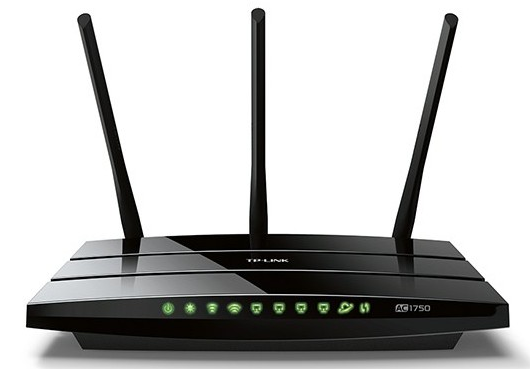 | TP-Link Archer C7 | Wireless Dual Band Gigabit Router | 39 |
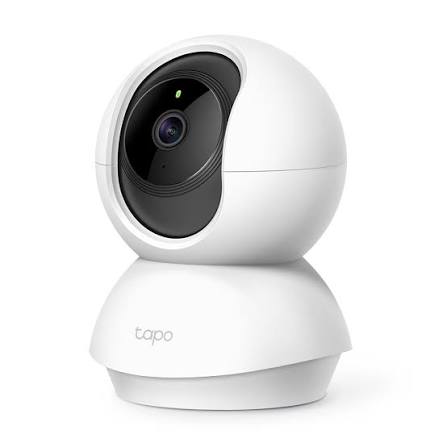 (In progress) | TP-Link Tapo C210 | Home Security Wi-Fi Camera | 1 |
Assessment structure
Every assessment performed on a device is documented and organised into the following parts:
| # | Part name | Content description |
|---|---|---|
| 1 | Executive summary | High level overview of the conducted assessment. Summary table with identified findings. |
| 2 | Scope | Target device details, features, and tested functionalities/interfaces. |
| 3 | Technical assessment | Full technical documentation of all performed tests. Includes OSINT, hardware inspection, debug/programming interface discovery, firmware reverse engineering, system hardening analysis, and external interface exploitation. |
| 4 | Findings | Individual finding files detailing each identified vulnerability or observation, including severity rating, CVSS score, description, and remediation guidance. |
| 5 | Appendix | Supporting artifacts referenced throughout the assessment, including firmware binaries, capture files, scripts, and raw logs. |
Note: The technical assessment methodology serves as a guide rather than a rigid checklist. Since each device is different, assessments vary accordingly. Some phases may not be applicable, and device-specific testing may introduce additional phases.
Disclaimer
All information in this project is strictly for educational purposes. All conducted tests and attacks are performed on devices personally owned by the author.